By Nazo Shamal, PsyD, LCSW
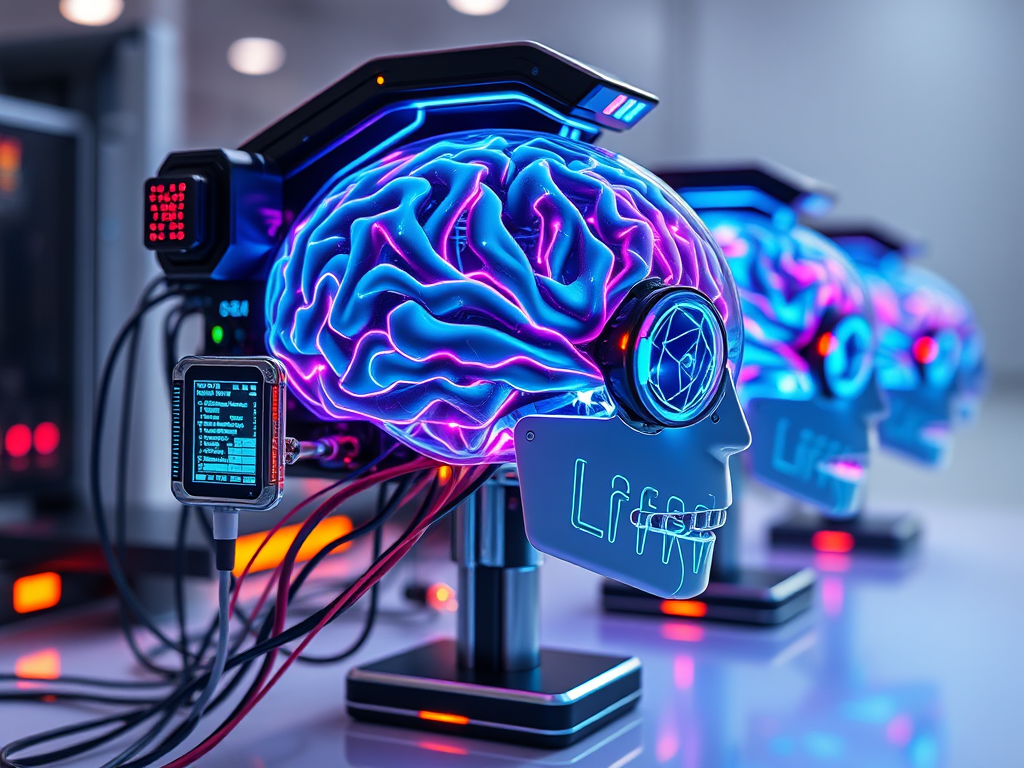
In recent years, the intersection of neuroscience and technology has created exciting new possibilities. These possibilities enhance brain health. They also address mental health challenges. As we move into 2025, neurotechnology is poised to revolutionize the way we understand, treat, and improve the human brain. From brain-computer interfaces (BCIs) to wearable neurodevices, these innovations promise to enhance cognitive function. They aim to treat neurological disorders. They also support mental well-being in ways we never thought possible.
What is Neurotechnology?
Neurotechnology refers to any technology that interacts with the nervous system, specifically the brain. It includes devices, systems, and therapies designed to enhance brain function, monitor brain activity, or treat neurological and psychological conditions. This multidisciplinary field combines neuroscience, engineering, artificial intelligence, and medicine. It aims to create tools that can directly impact mental and cognitive health.
How Does Neurotechnology Improve Brain Health?
Brain-Computer Interfaces (BCIs): Connecting Minds and Machines The development of Brain-Computer Interfaces (BCIs) is an exciting advancement in neurotechnology. These devices allow for direct communication between the brain and external machines. They enable individuals to control devices like prosthetics, computers, and even robotic limbs with their thoughts. For people with disabilities or neurological disorders, BCIs offer life-changing possibilities, allowing for greater independence and improved quality of life. But BCIs also have broader implications for mental health. For example, research is underway to explore how BCIs can help treat conditions like paralysis, depression, and even PTSD. BCIs use brainwave patterns to detect mental states. They could offer real-time interventions. These interventions would help individuals manage their mood or stress levels by prompting specific brain activity patterns.
Neurofeedback: Training the Brain for Optimal Function Neurofeedback is a type of biofeedback therapy. It uses real-time monitoring of brain activity. This helps individuals train their brains to function more efficiently. Neurofeedback employs sensors to measure brainwave patterns. It gives feedback on mental states. Individuals learn to regulate their brain activity to promote relaxation, focus, or emotional stability. This technology is being used to treat conditions such as ADHD, anxiety, insomnia, and depression.
Wearable Neurodevices: Monitoring and Enhancing Cognitive Health. Wearable neurodevices include EEG headbands and smartwatches with brainwave monitoring. They are making it easier than ever to track brain activity and overall mental health. These devices offer users valuable insights into their cognitive performance, sleep quality, stress levels, and emotional states. For example, companies like Muse and Emotiv have created wearable EEG headbands. These headbands measure brain activity in real-time. They help individuals understand how their brains respond to different stimuli. These devices can provide personalized feedback to optimize cognitive performance, improve focus, or promote relaxation. Such tools may become commonplace in mental health management. They allow individuals to take a proactive approach to maintaining cognitive health and well-being.
Neurostimulation: Rewiring the Brain for Recovery Neurostimulation uses electrical impulses to stimulate specific areas of the brain. This technique can potentially rewire neural circuits to improve brain function. Transcranial magnetic stimulation (TMS) and deep brain stimulation (DBS) are two popular neurostimulation techniques. They have shown promise in treating mental health disorders like depression and anxiety. TMS uses magnetic pulses to target areas of the brain involved in mood regulation. DBS works by implanting electrodes in specific brain regions to deliver electrical impulses. Both methods have been shown to be effective for individuals who have not responded well to traditional treatments like medication. These technologies can revolutionize the treatment of severe mental health conditions. They offer hope to individuals who have struggled with chronic mental health issues.
Artificial Intelligence and Cognitive Enhancement Artificial intelligence (AI) is playing an increasingly important role in neurotechnology. AI algorithms are analyzing vast amounts of brain data. They identify patterns and predict outcomes. This analysis could lead to more personalized and effective treatments for neurological and psychiatric conditions. In the realm of cognitive enhancement, developers are creating AI-powered apps and software. These tools train the brain and improve cognitive function. They focus on strengthening memory, attention, problem-solving, and creativity through brain exercises and adaptive learning techniques. AI creates personalized treatment plans. This ensures individuals receive the most appropriate interventions for their specific needs. As AI and neurotechnology continue to evolve, the potential for improving brain health through tailored, data-driven strategies will only expand.
Ethical Considerations in Neurotechnology
While the potential benefits of neurotechnology are vast, these advancements also raise important ethical considerations. One major concern is privacy. Neurotechnology devices can read and even alter brain activity. Questions arise about who controls access to this sensitive information and how it is used.
Another ethical issue is the potential for inequality in access to neurotechnological innovations. High-cost devices and treatments may not be available to everyone. This creates a divide between those who can afford cutting-edge treatments and those who cannot.
Moreover, as neurotechnology becomes more integrated into our daily lives, questions about autonomy and consent will become more prominent. How much control should individuals have over altering their brain function? What impact could this have on personal identity? How might it affect free will?
The Future of Neurotechnology and Brain Health
As we look to the future, the field of neurotechnology holds incredible promise for advancing brain health and mental well-being. Neuroscience, engineering, and artificial intelligence are converging. This convergence is creating tools that allow us to interact with the brain in unprecedented ways.
In the next decade, we can expect to see further innovations in brain-computer interfaces, neurofeedback systems, and neurostimulation therapies. These technologies will provide more effective treatments for neurological and psychiatric conditions. They will also offer new ways for individuals to optimize cognitive function and enhance their quality of life.
However, as with any transformative technology, it’s crucial to approach neurotechnology with caution. We must carefully consider the ethical and societal implications of these advances. This ensures that the benefits are accessible and equitable. They must also be aligned with our values.
In the end, neurotechnology is a powerful tool for understanding the human brain. It also aids in improving brain function. This technology offers new hope for individuals seeking to optimize their cognitive health. It enhances mental well-being. As these technologies continue to evolve, the future of brain health looks brighter than ever before.
References:
Brain-Computer Interfaces (BCIs) and Their Impact on Health
Lebedev, M. A., & Nicolelis, M. A. (2006). Brain–machine interfaces: past, present and future. Trends in Neurosciences, 29(9), 536–546.
Neurofeedback for Mental Health Disorders
Hengameh, M., & Reza, S. (2019). Neurofeedback as a treatment for mental health disorders: A review of clinical trials. Journal of Psychiatry & Neuroscience, 44(6), 415-425.
Wearable Neurodevices for Monitoring Brain Activity
Rojas, G., & Choudhury, S. (2020). Wearable EEG devices: A review of EEG signal acquisition and the future of wearable neurotechnology in mental health. Frontiers in Neuroscience, 14, 607.
Neurostimulation in Mental Health
George, M. S., & Taylor, J. (2010). Transcranial magnetic stimulation: Applications in psychiatry. Dialogues in Clinical Neuroscience, 12(1), 21–30.
Ethical Issues in Neurotechnology
Kadosh, K. C., & Lamm, C. (2020). Ethical implications of neurotechnology. Current Opinion in Behavioral Sciences, 36, 40-45.
Artificial Intelligence in Neurotechnology
Zhang, S., & Zheng, Y. (2023). AI-powered neurotechnology: A revolution in brain health. AI in Healthcare, 9(1), 29-37.
Have you experienced any of these emerging neurotechnologies, or do you have thoughts on how they could impact mental health care? Let us know in the comments below!

 Mind2Heart Therapy LLC
Leave a comment