
Social Media’s Dual Impact on Gen Z Mental Health
By Nazo Shamal, PsyD, LCSW
The impact of social media and AI on Gen Z’s mental health is a growing concern. It is also a subject of active research. These technologies, which are deeply integrated into daily life, influence various aspects of emotional wellbeing.
Social media can have positive and negative effects on mental health. Negative effects can include: anxiety and depression, cyber bullying and online harassment, FOMO, and sleep disruption.
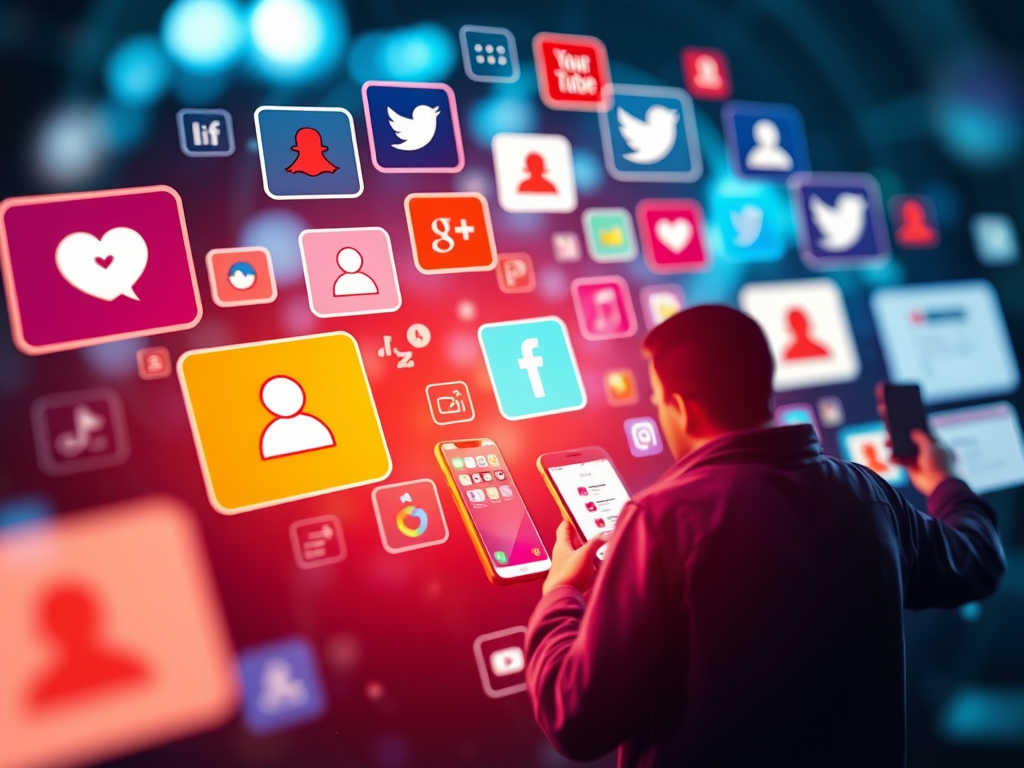
Constant exposure to curated, idealized representations of others’ lives on platforms like Instagram, TikTok, and Snapchat can influence feelings. These feelings include inadequacy, anxiety, and depression. Gen Z often feels pressured to keep up with trends. They want to present a perfect image. This pressure leads to low self-esteem and mental health struggles.
Social media platforms can amplify bullying, harassment, and trolling. Gen Z is especially vulnerable to online attacks, which can have lasting emotional and psychological effects. Seeing peers attending events, socializing, or achieving milestones can increase feelings of isolation and disconnection. This is a significant contributor to anxiety in Gen Z, as they constantly compare themselves to others. Excessive screen time can disrupt sleep patterns. This is especially true with late night use of social media. It contributes to poor mental health outcomes such as fatigue, irritability, and difficulty concentrating.
Despite its negative effects, social media can also have a positive impacts. Social media can offer a sense of community and support for those struggling with mental health issues. Groups and influencers that promote mental health awareness can help reduce stigma. They also provide valuable resources in self care and coping strategies. Platforms like TikTok and YouTube allow Gen Z to express themselves creatively, which can be therapeutic. Many young people use these platforms to share their struggles, which can help with processing emotions and finding solidarity.
Social media has become a space where mental health issues are openly discussed, helping to normalize seeking therapy and self-care. Movements like #MentalHealthAwareness and #EndTheStigma contribute to a broader cultural shift toward recognizing the importance of mental wellbeing.
AI and its role in Gen Z’s mental health can also have negative and positive consequences. Algorithms on platforms like Instagram, TikTok and YouTube are designed to keep users engaged. They show content tailored to users’ preferences. However, this can sometimes reinforce unhealthy behaviors. These include excessive comparisons, obsession with appearance, or body image issues. This is particularly evident in spaces like fitness and beauty. AI driven recommendation systems can create echo chambers. Users are repeatedly exposed to content that aligns with their existing views. Sometimes, this reinforces negative thoughts or unhealthy mental states. For example, someone already struggling with anxiety might see content that exacerbates their worries. This leads to a cycle of stress.
Although the advancement of AI can have negative effects, it can also provide positive influences. AI-powered mental health tools and apps are increasingly used by Gen Z to manage stress, anxiety and depression. These apps offer self-guided cognitive behavioral therapy (CBT). They also provide mindfulness exercises and mood tracking. This offers on demand mental health support outside of traditional therapy.
AI-driven chat bots like Woebot and Tess offer Gen Z users a way to engage in therapy-like conversations. They are especially beneficial for those who might be hesitant to seek human help. These tools can provide immediate emotional support and bridge the gap in access to mental health care. AI can also be used to deliver personalized mental health resources and coping strategies. Machine learning algorithms can assess a user’s emotional state. They can then recommend activities, videos, or articles tailored to mental health needs.
The effects of social media and AI on Gen Z’s mental health are complex. There are both positive and negative aspects. On one hand, these technologies can worsen mental health struggles. They promote unrealistic expectations. They foster comparison and expose young people to cyber bullying. On the other hand, they provide avenues for support. They enable self expression. They enhance education. They may offer novel ways to access mental health resources.
Education on how to manage and navigate social media and AI in healthy ways will be crucial. Helping Gen Z understand the impact of algorithms is essential. Teaching them critical thinking skills about online content can empower them. These skills enable them to use platforms in more positive ways.
The use of social media and AI continues to grow. It’s important to integrate mental health resources and support systems into these spaces. This integration ensures Gen Z has the tools they need to manage emotional wellbeing.
Encouraging healthier relationships with screen time is essential. Setting boundaries for social media use helps. Incorporating mindfulness breaks will also be key in mitigating the negative effects on mental health.
Ultimately, the relationship between social media, AI, and Gen Z’s mental health is still evolving. While challenges exist, there are also abundant opportunities for growth and positive change.

 Mind2Heart Therapy LLC